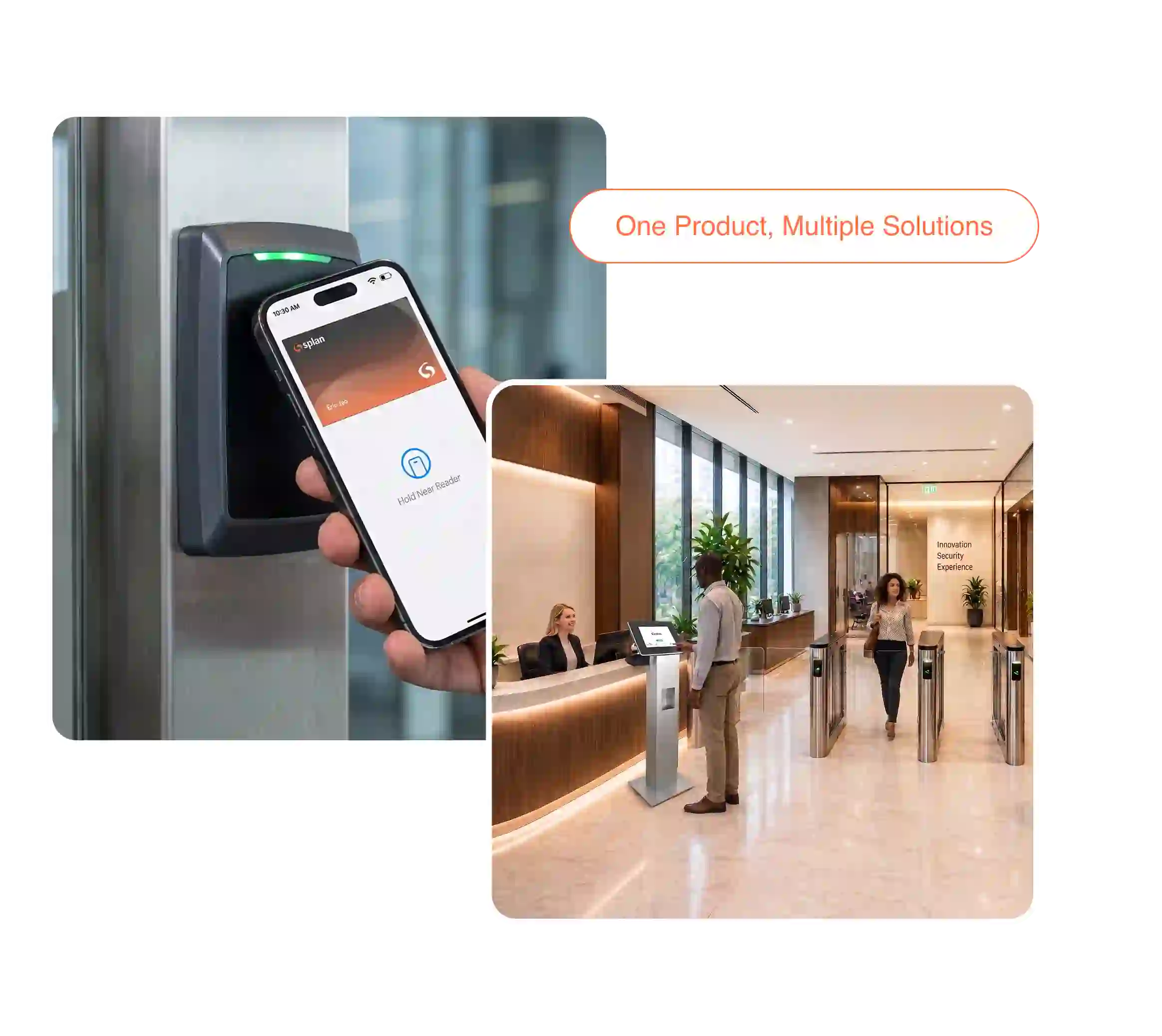
Security and Visibility of Everyone Onsite
Optimize and control people flows to safeguard contractors, employees, and visitors, while ensuring the protection of sensitive data within data centers.
Contact us for more Information - info@splan.com
Advanced Visitor Security for Data Centers
Real-time monitoring, automated screening, and seamless integration for total on-site protection.

Secure Premises and
Asset Protection
Enhance your infrastructure’s security with real-time monitoring of everyone who is expected, on-site, or has checked out.

Seamless System Integration
Integrate with existing security systems for real-time visibility across all locations, ensuring comprehensive protection.

Efficient Pre-Registration Screening
Run pre-registration checks by screening visitor names against watchlists, adding a proactive layer of security to approve entry.

Real-Time
On-Site Tracking
Access a live emergency list of all contractors, employees, and visitors through the Dashboard or a mobile app for informed decisions.

Intruder Detection with Facial Recognition
Enhance identification with various methods, scanning visitor IDs to spot unauthorized individuals attempting to access the premises.

Digital Signature Requirements
Ensure compliance and safeguard sensitive information by requiring NDA or legal document signatures during pre-check-in for protection.

Customized Badge Printing
Print personalized badges with vital information and visitor photos captured at the kiosk to maintain secure visual verification.

Automated Notifications for Escorts
Notify hosts instantly when visitors who require escorts check in, ensuring security protocols are followed seamlessly for everyone.

Enhanced Data Center Security and Efficiency
Comprehensive Integrations for Seamless Operations.
Access Control Systems
Integrates with PACS like Lenel OnGuard, Genetec, Avigilon, CCure, and others for secure check-in and access badge management.
Compliance Management
Tracks and records visitor access, helping data centers maintain strict compliance with industry standards and regulations.
Centralized Visitor Analytics
Provides real-time insights and comprehensive reports on visitor activity to enhance operational visibility and security management.
Contractor and Vendor Management
Automates check-ins and credentialing for third-party contractors and vendors, ensuring only authorized individuals gain entry.

Secured Visitor Management and Compliance
Ensuring compliance with local and national regulations demands adaptable policies and workflows that facilitate consistent enforcement.

GDPR
Secures personal data, offers data retention controls, and provides consent options for EU resident data.

HIPAA
Restricts access to protected health information and maintains detailed visitor logs, supporting requirements.

CCPA
Provides transparency on data collection and control, enabling adherence to California residents' privacy rights.

OSHA
Enforces workplace safety by tracking visitor entry, enabling check-in protocols, and supporting evacuation processes.

ADA
Kiosks are designed for accessibility, supporting assistive technology and accessible navigation, for the disabilities.

CISA
Monitors capabilities help data centers meet CISA's cybersecurity guidelines for securing critical infrastructure.
FAQs
Common questions about visitor management and physical security for data center facilities.
What is a data center visitor management system?
A data center visitor management system is software designed to register, screen, authorize, and track people entering highly secure data center facilities. It helps security teams manage employees, contractors, vendors, clients, and other visitors while maintaining records of access activity and supporting facility-specific security policies.
Why do data centers need visitor management software?
Data centers require strict control over physical access because unauthorized entry can create significant operational and security risks. Visitor management software for data centers helps standardize registration, identity verification, visitor screening, badge issuance, access authorization, and check-out. It also provides security teams with better visibility into who is onsite at any given time.
How does visitor management for data centers work?
Visitor management for data centers typically begins with visitor registration or pre-registration, followed by identity verification and any required screening. Authorized visitors can receive badges or temporary access credentials and be connected with their hosts. The system records check-in and check-out activity, allowing security personnel to monitor visitor status throughout the visit.
What features should data center visitor management security software include?
Important features include identity verification, visitor pre-registration, badge printing, host notifications, access control integration, visitor screening, audit trails, real-time occupancy information, emergency reporting, and contractor management. Data centers should also consider support for restricted areas, recurring visitors, multiple facilities, and configurable approval workflows based on their security policies.
How does visitor management improve data center security?
Visitor management improves data center security by creating a controlled process for identifying and authorizing people before or during facility entry. Security teams can maintain visitor records, apply screening requirements, issue temporary credentials, monitor visitor status, and revoke access when necessary. This creates a more consistent security process than manual visitor logs.
Can visitor management systems integrate with data center access control?
Yes. A data center visitor management system can integrate with physical access control systems to connect visitor authorization with controlled facility entry. This can help ensure that approved visitors receive appropriate access while restricted areas remain protected. Splan supports integration with existing access control and other physical security technologies.