
Contractor Compliance: Best Practices for Secure Contractor Management
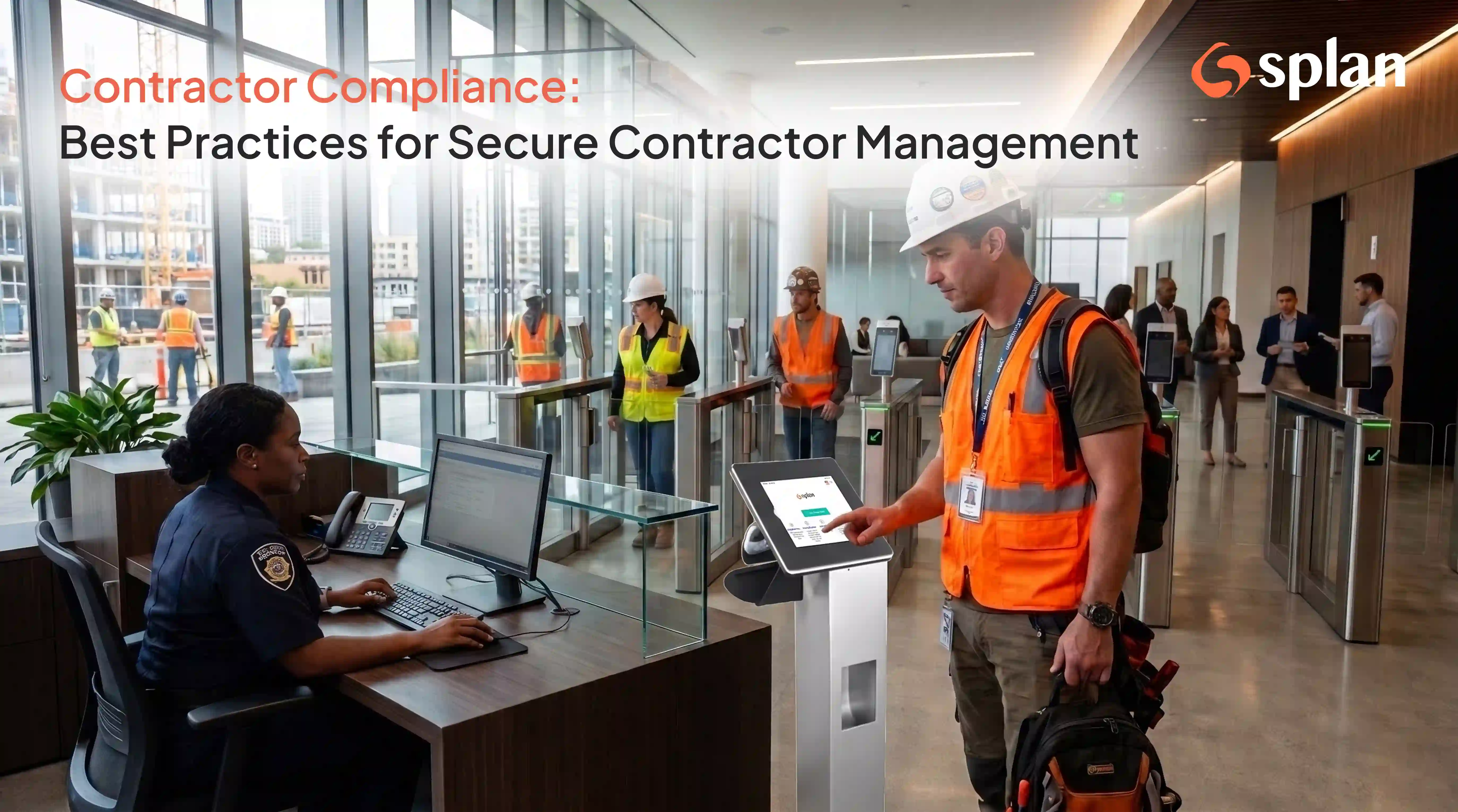
Organizations today rely heavily on contractors, vendors, consultants, and third-party service providers to support daily operations. Whether maintaining critical infrastructure, delivering specialized services, or supporting large-scale projects, contractors have become an essential part of the modern workforce.
However, managing an external workforce across multiple locations brings unique challenges. Organizations must ensure contractors are properly vetted, compliant with company policies, trained for assigned tasks, and authorized to access facilities all while maintaining security, safety, and operational efficiency.
Without a structured contractor management process, businesses face increased security risks, compliance gaps, operational delays, and unnecessary administrative work.
This guide explores contractor compliance, why it matters, and how organizations can streamline contractor management while improving workplace security and operational visibility.
What is Contractor Compliance?
Contractor compliance is the process of ensuring external workers meet an organization's security, safety, legal, and operational requirements before and throughout their engagement.
Effective contractor compliance goes beyond collecting paperwork. It requires organizations to verify identities, review required documentation, approve workflows, track certifications, monitor contractor activities, and maintain accurate records throughout the contractor lifecycle.
A comprehensive contractor management process typically includes:
Identity verification
Contractor onboarding
Background screening
Document and agreement management
Safety training and certification tracking
Workflow approvals
Contractor site access management
Temporary badging
Contractor activity reporting
Compliance monitoring
Rather than managing these activities manually, many organizations are adopting digital contractor management platforms to standardize processes across every location.
Why Contractor Compliance Matters
Managing contractors is about more than operational efficiency it plays a critical role in protecting people, facilities, and business operations.
Improve Workplace Security
Contractors often require access to sensitive areas, restricted facilities, or critical infrastructure. Without proper identity verification and approval workflows, organizations increase the risk of unauthorized access.
A structured contractor management process ensures only approved individuals gain access after meeting all security requirements.
Maintain Safety Standards
Many contractors perform work in manufacturing facilities, healthcare environments, corporate campuses, logistics centers, construction sites, and critical infrastructure.
Organizations must ensure contractors have completed required safety training and hold valid certifications before beginning work.
Automating training verification and certification tracking helps reduce workplace incidents while maintaining compliance with internal policies and industry regulations.
Reduce Administrative Work
Manual onboarding often involves collecting emails, reviewing spreadsheets, tracking certifications, and managing paper documents.
As contractor volumes increase, these manual processes become difficult to maintain.
Automated onboarding workflows reduce administrative effort while accelerating contractor approvals and improving the overall experience for both contractors and internal teams.
Improve Compliance Across Multiple Locations
Large enterprises often manage thousands of contractors across regional offices, manufacturing plants, warehouses, and corporate campuses.
Standardized approval workflows help ensure every contractor follows the same onboarding process regardless of location, improving consistency and reducing compliance risks.
Essential Components of an Effective Contractor Management Program
Streamlined Contractor Onboarding
A well-designed onboarding process helps organizations verify contractor information before work begins.
This typically includes:
Identity verification
Required documentation
Agreement acceptance
Compliance approvals
Background screening
Site authorization
Digital onboarding significantly reduces delays while providing a consistent experience across the organization.
Contractor Profiles and Documentation
Maintaining accurate contractor records is essential for long-term compliance.
Organizations should securely manage:
Contractor profiles
Vendor information
NDAs
Agreements
Insurance documents
Licenses
Certifications
Automated renewal reminders help ensure important documents remain current and reduce the risk of expired credentials.
Workflow Approvals and Compliance Checklists
Every organization has unique security and operational requirements.
Configurable approval workflows ensure contractors complete all required steps before site access is granted.
Compliance checklists can include:
Security approvals
Safety approvals
Safety Compliance
Required documentation
Training verification
Department approvals
Site-specific requirements
This creates a standardized process while reducing manual oversight.
Background Screening
Background screening helps organizations verify contractors before they enter secure facilities.
Depending on business requirements, organizations may verify:
Identity
Criminal history
Employment eligibility
Required clearances
Vendor qualifications
Integrating background screening into contractor onboarding strengthens workplace security while supporting regulatory compliance.
Training and Certification Management
Many contractors require ongoing training throughout their engagement.
Organizations should be able to:
Assign required training
Track certifications
Monitor expiration dates
Notify contractors before renewal
Prevent access when certifications expire
This helps ensure contractors remain compliant throughout the project lifecycle.
Contractor Visits and Temporary Badging
Managing physical access is a critical component of contractor compliance.
Organizations should be able to:
Schedule contractor visits
Issue temporary badges
Monitor contractor check-ins
Track time and attendance
Record contractor activity
Control authorized access
Digital badging improves security while providing complete visibility into contractor activity across every facility.
Vendor Portal and Smart Check-In
Self-service portals simplify the contractor experience while reducing administrative effort.
A vendor portal enables contractors to:
Upload required documents
Schedule visits
Track approval status
Complete onboarding requirements
Check in quickly during repeat visits
Smart check-in processes help organizations improve operational efficiency while maintaining security.
Reporting and Operational Visibility
Real-time reporting gives organizations complete visibility into contractor operations.
Reporting capabilities should include:
Contractor activity
Site visits
Compliance status
Expiring certifications
Approval history
Access records
Audit reports
These insights support compliance initiatives while helping security and operations teams make informed decisions.
How Technology Simplifies Contractor Compliance
As organizations grow, spreadsheets and manual tracking become increasingly difficult to manage.
Modern contractor management platforms centralize every aspect of the contractor lifecycle into a single system.
From onboarding and document management to background screening, workflow approvals, temporary badging, vendor coordination, and compliance reporting, organizations gain complete visibility while reducing administrative overhead.
By automating routine processes, organizations can improve contractor experiences, strengthen workplace security, and ensure compliance across multiple facilities.
Choosing the Right Contractor Management Solution
An effective contractor management solution should help organizations:
Accelerate contractor onboarding
Verify contractor identities
Manage contractor documentation
Automate approval workflows
Track training and certifications
Perform background screening
Manage contractor visits and temporary badging
Provide a secure vendor portal
Deliver real-time reporting and operational insights
Selecting a solution that combines security, compliance, and operational efficiency enables organizations to manage contractors confidently while supporting business growth.
FAQs
Contractor compliance is the process of ensuring contractors meet an organization's security, safety, documentation, and operational requirements before and during their engagement.
It helps organizations improve workplace security, reduce operational risk, standardize onboarding, maintain compliance, and ensure contractors meet required training and documentation standards.
Common documents include NDAs, agreements, certifications, licenses, insurance documents, and any organization-specific compliance requirements.
Using a contractor management platform allows organizations to automate document collection, approvals, background screening, training verification, and contractor communication.
Look for contractor onboarding, identity verification, document management, workflow approvals, background screening, training management, temporary badging, vendor portals, reporting, and compliance tracking.