
How Mustering Systems Save Lives in Emergency Evacuations
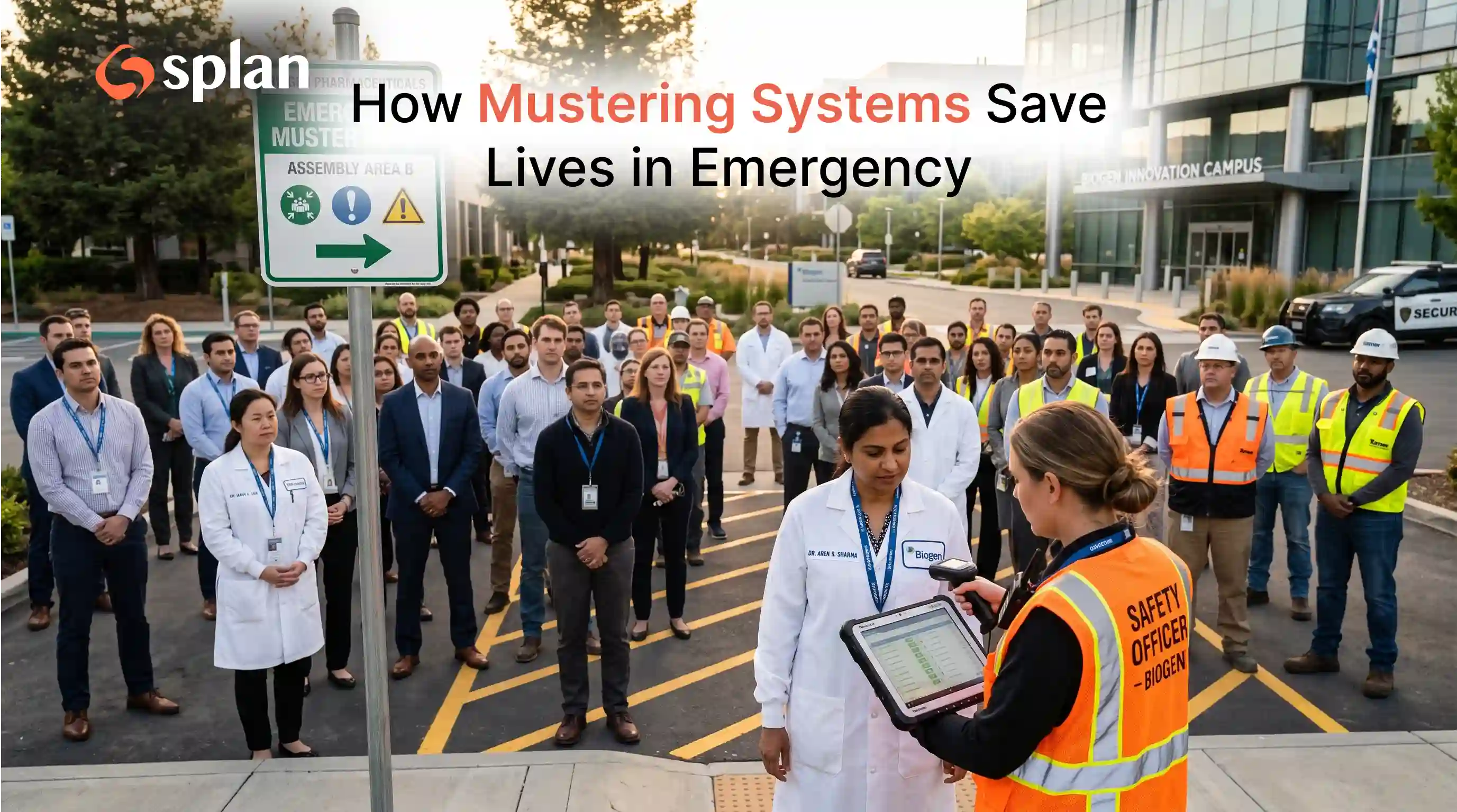
When a crisis strikes, every single second counts in a successful emergency response. During a fire, chemical spill, or severe weather event, accounting for every employee quickly and accurately is a facility manager's top priority. Understanding exactly how mustering systems save lives in emergency evacuations is the first step toward building a resilient, proactive safety culture. Moving far beyond a traditional, paper-based roll call system, a modern emergency response system ensures no one is left behind in the chaos.
The Evolution of Evacuation Management
Historically, standard evacuation procedures relied on supervisors holding clipboards, checking off names as people arrived at designated safe zones. However, when evaluating manual vs automated emergency headcounts, traditional methods consistently fall short, often resulting in human error and dangerous rescue delays.
So, what is an electronic mustering solution? It is an advanced technological framework that digitizes the entire headcount process. Through digital mustering, forward-thinking companies integrate automated personnel accountability systems into their daily safety protocols. This highly intelligent approach to evacuation management provides safety officers with instant, accurate data the moment an alarm sounds.
How Technology Accelerates Emergency Rescues
Implementing advanced mustering systems in emergency evacuations provides critical visibility when it matters most. Here is how modern technology elevates the standard of mustering:
Instant Visibility: By utilizing RFID for emergency mustering alongside advanced industrial safety sensors for disaster response, safety teams can achieve accurate, real-time emergency evacuation tracking. As personnel walk through designated safe zones, their badges are instantly scanned.
Locating the Missing: This seamless flow of data is invaluable for identifying trapped personnel during fire drills or actual emergencies, allowing first responders to direct their rescue efforts exactly where they are needed instead of searching empty rooms.
Rapid Communication: When integrated with cloud-based emergency notification systems, organizations can instantly broadcast life-saving alerts and updates, significantly reducing evacuation time in high-risk facilities.
Post-Evacuation Checks: An automated emergency mustering system drastically streamlines the crucial process of verifying employee safety after building evacuation, entirely eliminating dangerous guesswork.
Best Practices for Workplace Safety
To fully realize the life safety benefits of digital mustering, organizations must implement strategic and practical protocols alongside their new software. If your safety committee is wondering how to improve muster point safety, the best place to start is by establishing clear emergency muster station best practices.
First, ensure your primary and secondary gathering areas are easily accessible, well-lit, and completely free of hazards. Because fixed locations are not always practical for dynamic, sprawling environments, incorporating mobile muster points for remote worksites ensures that field workers and contractors are quickly accounted for using handheld tablets or smartphones. Ultimately, upgrading to these advanced tracking methods is the most effective way to maintain strict workplace safety compliance for emergency evacuations.
FAQs
A mustering system is a process and set of tools used to account for people during an evacuation. Modern systems often use digital check-ins (like badge scans or mobile devices) to confirm who is safe and who may still be inside.
Manual roll calls rely on paper lists and human checks, which can be slow and error-prone during a crisis. Digital mustering automates headcounts and updates lists in real time, helping teams confirm attendance faster and more accurately.
They reduce the time it takes to identify missing people and share accurate information with responders. Faster, clearer accountability helps rescue teams focus efforts where they are most needed.
Common options include RFID or ID badge scanning, QR codes, mobile apps, kiosks at muster points, and integrations with emergency notification platforms. Many systems also provide dashboards for live headcount status.
Yes. Many solutions support temporary badges, visitor check-in logs, and mobile check-ins, so everyone on site can be included in the headcount — not just employees.
Muster points should be clearly marked, easy to reach, and located a safe distance from the hazard. It’s also best to have backup locations in case the primary area becomes unsafe or inaccessible.
They can. Digital records create an audit trail of drills and real events, which can support workplace safety documentation and continuous improvement efforts.