
Return to Office Access Control & Visitor Tracking Solutions
As organizations bring employees back to physical workplaces, Return to Office Access Control has become a critical priority. Businesses must ensure safe, secure, and efficient entry management while supporting flexible work models.
Modern offices are no longer static environments. With hybrid schedules, visitor flows, and compliance requirements, companies need smarter systems. A combination of visitor tracking, access control, and automation helps create a seamless workplace experience.
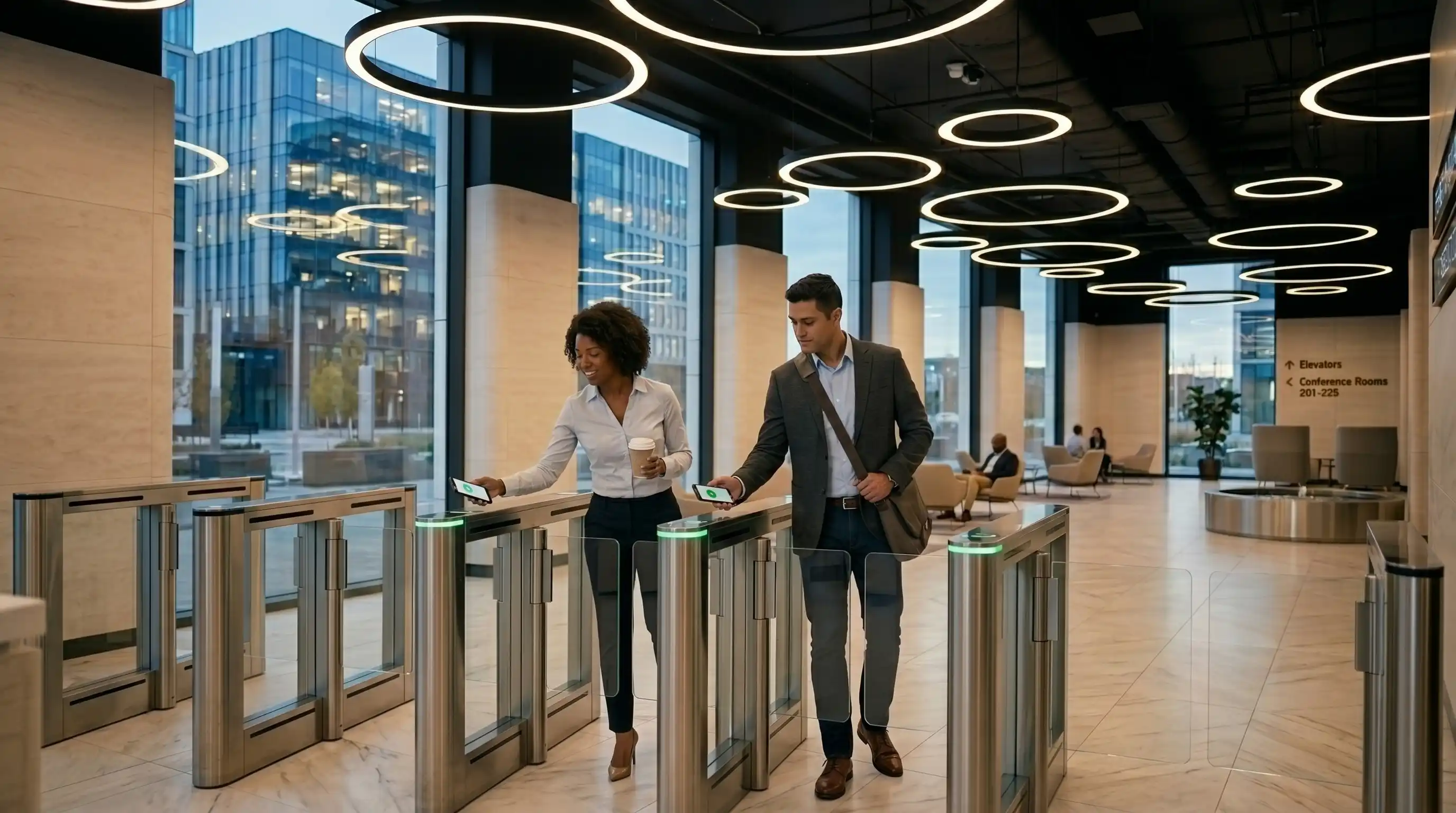
What is Return to Office Access Control?
Return to Office Access Control refers to systems and technologies that manage who can enter a workplace, when, and under what conditions during and after the transition back to office environments.
It combines multiple components such as:
Smart Check-in System
Workplace Entry Management System
Visitor tracking tools
Hybrid Workplace Access Control
Time and Attendance Tracking System
These solutions ensure that employees, visitors, and contractors can access facilities securely while maintaining visibility and compliance.
Key Features
A modern Return to Office Access Control system includes:
Smart Check-in System for quick, contactless entry
Pre-registration and visitor approvals
QR code or mobile-based entry access
Real-time visitor tracking dashboards
Integration with access control systems (doors, gates)
Workplace Entry Management System for centralized control
Automated badge printing and access provisioning
Health, safety, and compliance checks
Time and Attendance Tracking System integration
Role-based access permissions for employees and visitors
Benefits
Implementing Return to Office Access Control offers several advantages:
1. Enhanced Security
Organizations can monitor every entry and exit in real time. Unauthorized access is minimized with identity-based controls.
2. Improved Workplace Efficiency
Automation reduces manual work for security teams. Employees and visitors experience faster check-ins.
3. Better Visitor Experience
A Smart Check-in System allows seamless entry with minimal waiting time, improving first impressions.
4. Support for Hybrid Work Models
With Hybrid Workplace Access Control, companies can manage flexible schedules, desk bookings, and staggered attendance.
5. Compliance & Audit Readiness
Accurate logs and reports help organizations meet regulatory requirements and maintain audit trails.
How It Works
A typical Return to Office Access Control system operates through the following steps:
1. Pre-Registration
Visitors or employees schedule visits through a digital platform.
2. Approval Workflow
Hosts or admins approve access requests based on policies.
3. Smart Check-in System
On arrival, users check in via QR code, kiosk, or mobile app.
4. Access Provisioning
The system grants temporary or permanent access to doors or zones.
5. Real-Time Tracking
Admins monitor movement using dashboards and alerts.
6. Check-out & Deactivation
Access is automatically revoked after exit, ensuring security.
Use Cases
1. Corporate Offices
Manage employee entry, visitor appointments, and meeting room access efficiently.
2. IT Parks & Campuses
Control high volumes of visitors and contractors with centralized tracking.
3. Healthcare Facilities
Ensure secure and compliant visitor access while maintaining patient safety.
4. Co-working Spaces
Enable flexible access for members using Hybrid Workplace Access Control systems.
5. Manufacturing Units
Track workforce attendance and restrict access to sensitive areas using Time and Attendance Tracking System integration.
FAQs
It is a system that manages workplace entry, visitor tracking, and access permissions for employees and visitors.
It speeds up entry processes using contactless methods like QR codes, reducing wait times, and manual work.
Yes, Hybrid Workplace Access Control allows flexible scheduling and controlled office occupancy.
Most solutions include or integrate with a Time and Attendance Tracking System for accurate workforce data.
Yes, scalable solutions are available for both small offices and large enterprises.