
What to Expect at GSX 2026: The Biggest Security Trends Every Enterprise Should Know
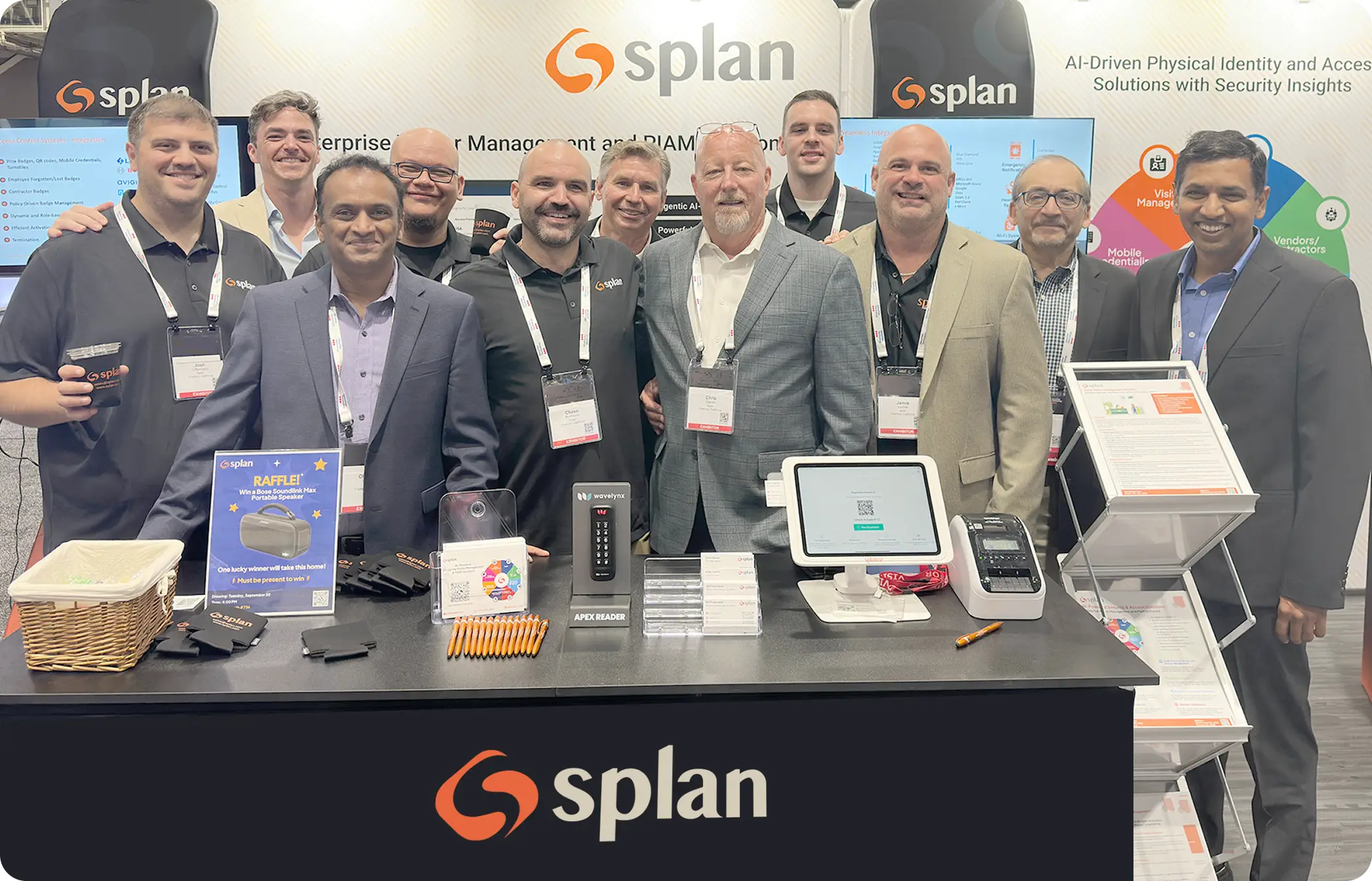
Enterprise security is evolving rapidly as organizations face growing challenges around physical security, cyber threats, workforce mobility, and regulatory compliance. From AI-driven analytics to integrated identity management, businesses are investing in technologies that provide greater visibility and stronger protection.
GSX 2026 is expected to showcase the latest innovations transforming the security industry. As the flagship event organized by Global Security Exchange, it brings together security leaders, technology providers, and enterprise decision-makers to explore emerging trends, best practices, and next-generation solutions.
Whether you manage corporate campuses, healthcare facilities, critical infrastructure, educational institutions, or data centers, attending this event offers valuable insights into the future of enterprise security.
What is GSX 2026?
GSX 2026 is one of the world's largest security conferences, organized by ASIS International through its annual Global Security Exchange (GSX) event. It serves as a global platform where security professionals, technology innovators, and enterprise organizations come together to discover new solutions, attend educational sessions, and build industry connections.
The event typically features:
Physical security technologies
Access control innovations
AI-powered security platforms
Identity and access management solutions
Cybersecurity integration
Security operations best practices
Compliance and risk management
Live product demonstrations
For enterprise organizations, GSX provides an opportunity to evaluate technologies before investing in new security initiatives.
Key Security Trends to Watch at GSX 2026
AI-Powered Physical Security
Artificial Intelligence continues to reshape enterprise security by automating threat detection, anomaly identification, and operational insights.
Organizations are increasingly adopting AI-powered platforms that can analyze visitor activity, access events, occupancy patterns, and security alerts in real time.
Physical Identity and Access Management (PIAM)
As enterprises expand across multiple facilities, managing employee, contractor, and visitor identities becomes more complex.
Modern Physical Identity and Access Management solutions automate identity lifecycle management, onboarding, access approvals, role changes, and compliance reporting while integrating with HR systems and physical access control platforms.
Visitor Management System Innovation
Traditional paper visitor logs are rapidly disappearing.
Today's Visitor Management System solutions provide:
Digital pre-registration
Self-service check-in
QR code access
Mobile credentials
Visitor watchlists
Compliance screening
Real-time visitor tracking
Emergency mustering
These capabilities improve both security and visitor experience.
Security Convergence
Organizations are moving toward unified security operations by integrating physical security with cybersecurity.
Security teams can monitor physical access, identity management, surveillance, and cyber events from a centralized platform, improving response times and operational efficiency.
Mobile Credentials and Contactless Access
Mobile-first workplaces continue to grow.
Instead of issuing physical access cards, organizations now use smartphones, Apple Wallet, Google Wallet, QR codes, and Bluetooth credentials for secure, touchless building access.
Cloud-Based Enterprise Security
Cloud platforms simplify centralized management across multiple facilities.
Benefits include:
Remote administration
Automatic software updates
Centralized reporting
Easier scalability
Lower infrastructure costs
Key Features Enterprises Should Look For
When evaluating security solutions at GSX, consider platforms that offer:
AI-powered security analytics
Physical Identity and Access Management (PIAM)
Enterprise Visitor Management System
Mobile credentials
Identity lifecycle automation
Access control integration
Multi-site management
Compliance reporting
Emergency mustering
API integrations with enterprise systems
Cloud deployment
Real-time dashboards
Benefits
Stronger Physical Security
Integrated security platforms verify identities before granting access, helping prevent unauthorized entry while protecting employees, visitors, and sensitive assets.
Better Compliance
Industries such as healthcare, utilities, finance, and government benefit from automated visitor records, audit trails, and access reports that simplify regulatory compliance.
Improved Operational Efficiency
Automation reduces manual badge management, visitor registration, and access approvals, allowing security teams to focus on higher-value activities.
Enhanced Visitor Experience
Digital invitations, self-service kiosks, mobile credentials, and faster check-ins create a seamless experience for visitors without compromising security.
Centralized Security Management
Enterprise organizations can manage multiple locations, identities, access permissions, and security events from one unified platform.
How It Works
Step 1
Evaluate your organization's physical security challenges.
Step 2
Explore emerging technologies demonstrated at GSX 2026.
Step 3
Identify solutions that integrate PIAM, visitor management, and access control.
Step 4
Implement a scalable platform that automates identity management and physical security.
Expected Results
Improved security
Better compliance
Faster visitor processing
Centralized identity management
Enhanced operational efficiency
Use Cases
Corporate Offices
Modern enterprises use integrated visitor management and mobile credentials to streamline employee and guest access while improving workplace security.
Healthcare
Hospitals combine visitor management, PIAM, and access control to secure restricted departments, improve patient safety, and meet regulatory requirements.
Data Centers
Strict identity verification, real-time monitoring, and access automation protect critical infrastructure from unauthorized access.
Utilities & Critical Infrastructure
Utility providers implement identity management and physical access controls to strengthen compliance and protect essential infrastructure.
How Splan Supports Modern Enterprise Security
As organizations embrace AI-driven physical security, Splan provides a comprehensive platform that combines AI-Powered Physical Identity & Enterprise Visitor Management Software into a single cloud-based solution.
Splan helps organizations manage visitors, employees, contractors, vendors, and tenants while integrating with leading access control systems, HR platforms, identity providers, mobile credential solutions, and emergency notification systems.
Key capabilities include:
Physical Identity and Access Management (PIAM)
Enterprise Visitor Management System
Mobile credential management
Identity lifecycle automation
Access control integration
Compliance reporting
Multi-location security management
Real-time dashboards and analytics
This unified approach enables enterprises to improve security, automate workflows, and simplify compliance across all facilities.
FAQs
GSX 2026 is the annual Global Security Exchange conference organized by ASIS International. It brings together security professionals, technology providers, and enterprise organizations to explore the latest innovations in physical security, cybersecurity, and risk management.
The event is ideal for Security Directors, CISOs, IT Managers, Facility Managers, Healthcare Administrators, Corporate Security Leaders, Government Agencies, and organizations responsible for enterprise security and risk management.
Attendees can expect solutions focused on AI-powered security, visitor management systems, physical identity and access management, access control, mobile credentials, cloud security platforms, video surveillance, and integrated enterprise security.
PIAM automates the entire physical identity lifecycle, reducing manual processes while improving security, compliance, and access governance. It provides greater visibility into who has access to enterprise facilities and why.
Splan combines Enterprise Visitor Management, AI-powered Physical Identity Management, mobile credentials, access control integration, and centralized security management into one cloud platform. This helps organizations improve operational efficiency, strengthen compliance, and deliver a seamless access experience.